
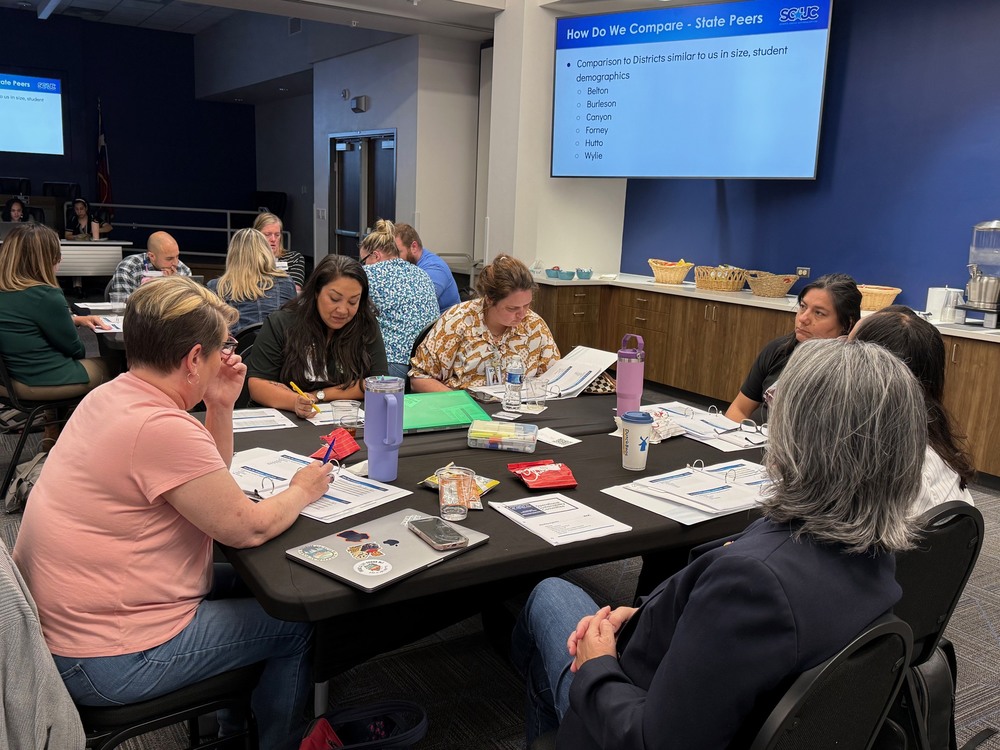
Members of the SCUC ISD Operational Sustainability Committee (OSC) took a deeper dive into the district’s finances during the group’s second meeting held on February 25, 2026. Emphasis was placed understanding the structural challenges facing SCUC - declining enrollment and inflationary pressures foremost on the list.
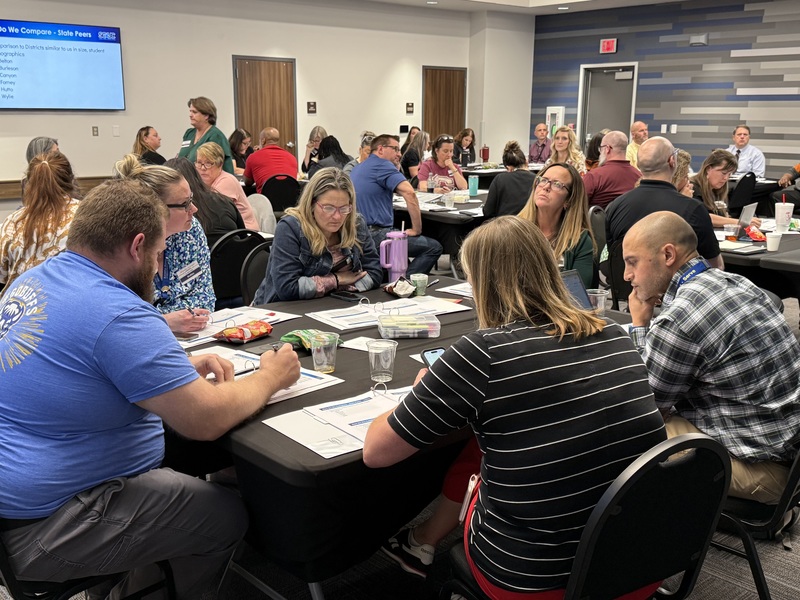
The loss of an estimated 3,000 students to nearby charter schools and private schools has reduced the district’s budget by $24 million annually. Meanwhile, state funding helped improve teacher salaries but has not helped SCUC deal with operational costs straining the budget - utilities, health insurance, technology and safety & security needs.
“Our committee’s charge is to develop an understanding of SCUC finances,” said Mrs. Paige Meloni, Superintendent of Schools. “That includes major factors that drive budget decisions and make recommendations that allow the district to sustain operational finances long term.”
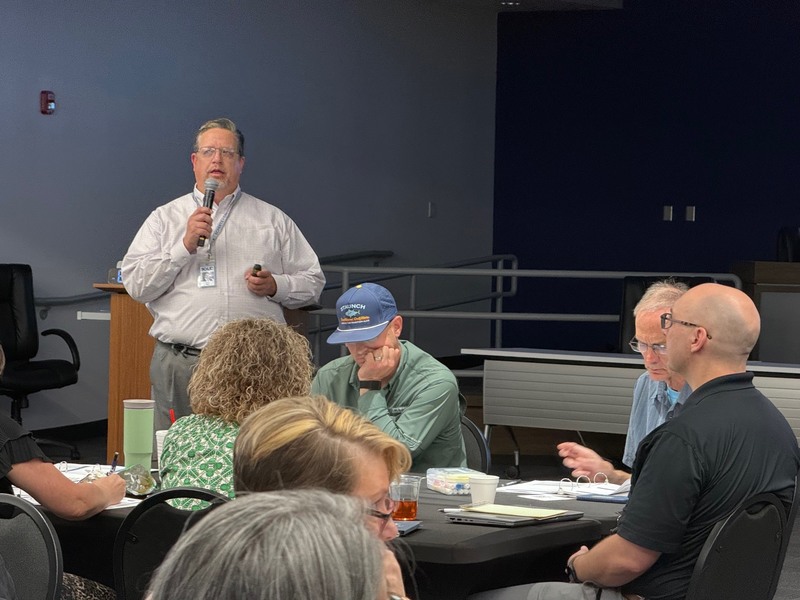
Brian Moy, Chief Financial Officer for SCUC, added, “Ideally, we would love to find something that has big savings and a low impact on students. We’re here for the students. Everything’s going to have an impact on students.”
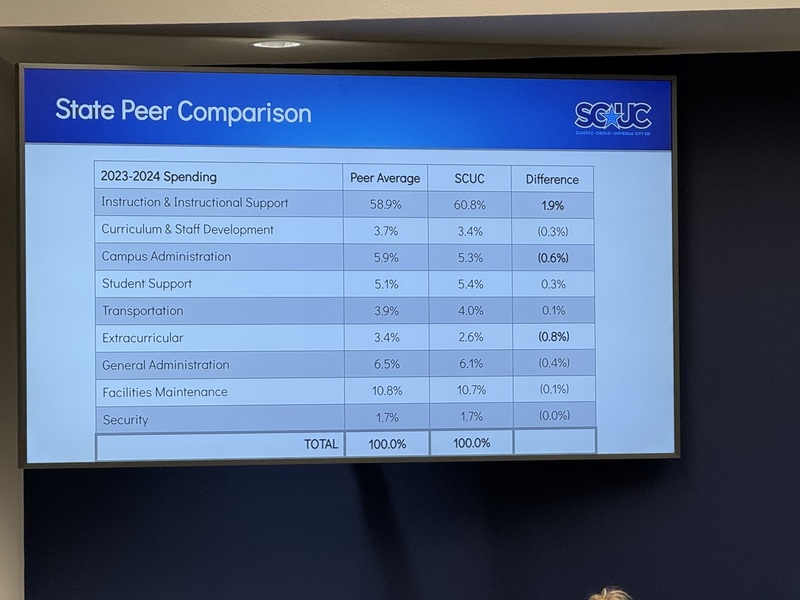
Members learned about fixed costs, which expenses can be adjusted and how state funding impacts the district’s financial limitations. Comparisons were made with peer school districts (districts with similar enrollment, demographic and academic standings) as well as districts within the greater-San Antonio area. SCUC’s percentage in different categories such as Instructional & Instructional Support along with Student Support aligned with spending of state and local peer groups.
Committee members understand their role and know that difficult decisions lie ahead. “I know that the largest portion of any budget is going to salaries because it’s a service-based organization,” said Linda Klepper, a committee member with one child attending SCUC schools and two more young children to be enrolled in the future.
Even with the district’s mandated goal of minimizing impact to student-centered programs, every aspect of the budget will be closely monitored. “There are limitations to what you’re going to be able to squeeze out of salary,” Klepper said. “You’re going to have to look at other costs.”
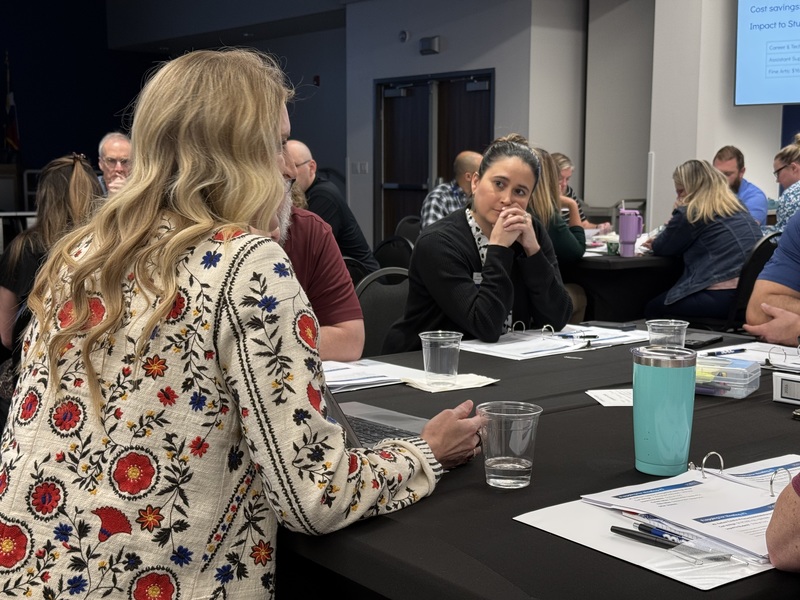
Future meetings will involve reviewing cost savings ideas brought forward by district leadership and OSC members. Each scenario will be reviewed for its potential cost savings and the impact to students, staff and the community. These scenarios will also explore the reason the program or cost exists today, whether there are state mandates for the program and whether the change could be sustained long-term.
The next meeting will take place on March 18, 2026, with two additional sessions scheduled before the end of the 2025-2026 school year.